
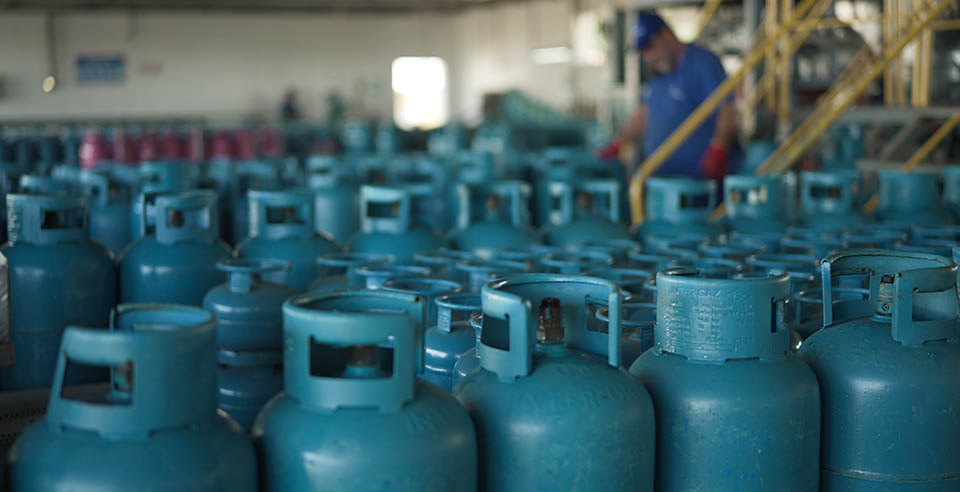
LPG School
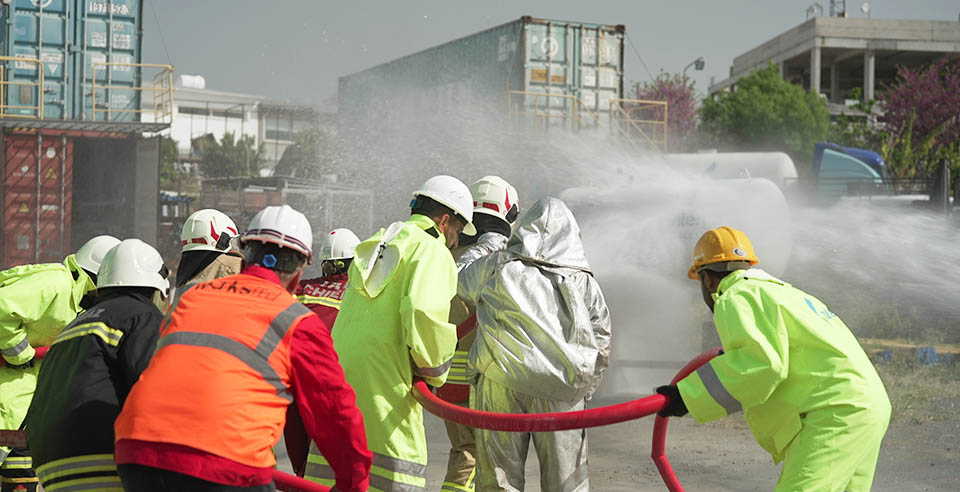
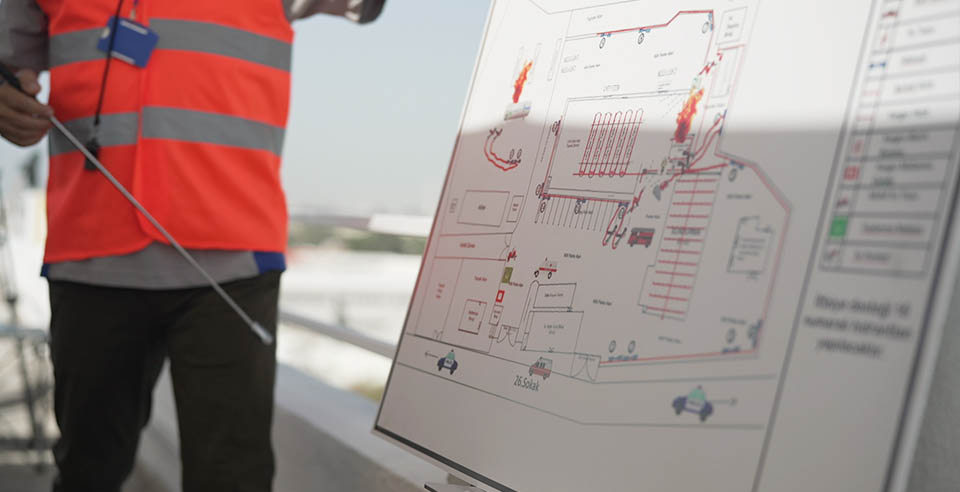
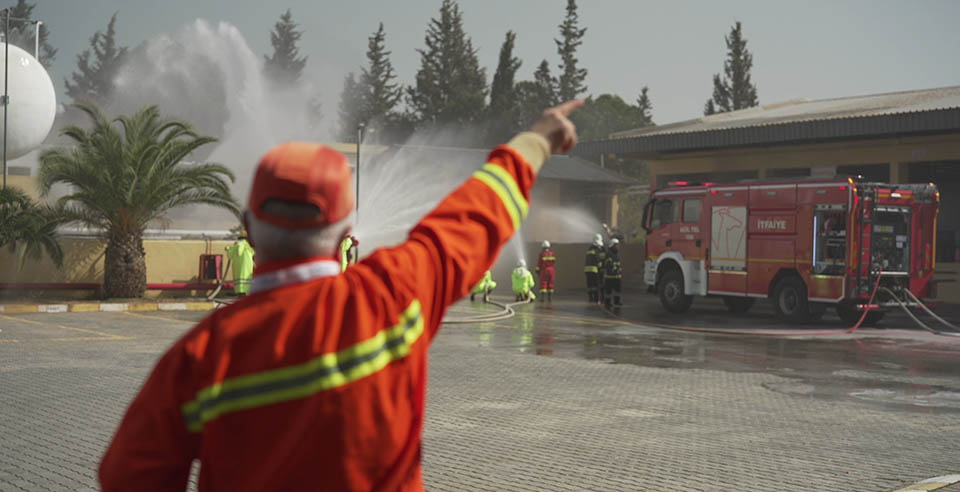
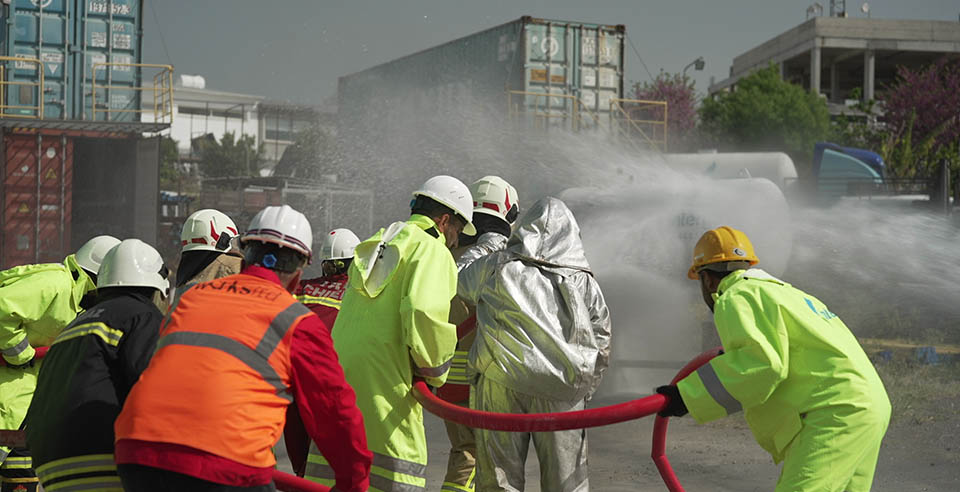
Established in the last quarter of 2010, the LPG School aims to raise awareness about LPG among the public, the industry, and the general population in the TRNC. The training program covers technical information, fire safety, practical fire drills, and occupational health & safety.
Our Goal:
To raise participants' awareness of the properties and risks of LPG, to equip them with safe intervention skills, and to train qualified personnel for the industry.
Training Process:
Participants receive theoretical and practical training from expert instructors. At the end of the training, a certificate is awarded to participants who demonstrate sufficient proficiency.
To Date:
1561 people have been trained through the program, which has included many stakeholders such as OHS specialists, fire and civil defense teams, school students, and technical teams from hotels and factories. (September 2019)
Why LPG?
Effective and Efficient Energy
Thanks to its high calorific value, LPG provides a large amount of energy from a small quantity. This feature ensures efficient use in businesses.
Low-Waste Energy
Operating with approximately 95% efficiency, LPG reduces blockages and malfunctions in systems, thereby extending equipment lifespan.
Clean Energy
With its low carbon emissions, LPG has a smaller impact on the environment. It contributes to better air quality and is supported internationally.
Readily Available
LPG can be easily transported by land and sea, thus ensuring an uninterrupted supply.
Economic Solution
In the TRNC, LPG is a more economical and sustainable choice compared to other energy sources.
Applications of LPG
In the residential and tourism sectors, LPG meets needs such as heating, hot water, and cooking. In industry, it is widely preferred in many fields, including drying and ironing in textiles, heating and smelting in metals, food production, agriculture, and livestock farming.